The video game sector is the fastest growing entertainment industry.
Virtual technology is essential for our children’s future careers.
How can parents talk with boys about video game violence?
CLICK HERE


Learning to self-regulate emotions is a fundamental task of growing up.
Here are 12 key ideas from several articles that I often discuss at workshops.
It is my hope that these pared down tips will help you support your son's capacity for developing emotional resilience.
To read this article CLICK HERE

The Acting As If strategy is a powerful way to focus and harness personal thinking, overcome mind-traps, and move toward achieving personal success.
Even when we can't see ourselves ever escaping a tunnel of negativity, we can shift and nudge ourselves toward success by acting as if our positive thoughts and feelings are true.
To read this free article sign up at the bottom any page.
To read this article CLICK HERE

Like all of us, children need struggle and conflict in their lives so that they can learn how to begin to think about mistakes or failure as learning opportunities, not badges of deficiency.
This month Barry MacDonald offers suggestions to help parents help boys manage their attitudes and thinking about overcoming challenges.
To read this article CLICK HERE

Learning about grit is not the same as developing it.
Students are more likely to display academic grit when they are given practical strategies to successfully manage tasks.
To read this article CLICK HERE

True motivation is a welling desire to invest and engage from deep within.
Learn key research findings about student motivation, along with practical ways to help boys find their internal drive.
To read this article CLICK HERE

Sleep deprivation can impair memory, reduce concentration, and inhibit creativity.
Research suggests that the hormonal changes of puberty could be causing adolescents to detest turning in too early at night and linger reading, texting, and playing video games until quite late.
What is a parent to do?
To read this article CLICK HERE

Parent-child conflict can grow out of misunderstandings about different temperaments.
This newsletter offers an activity for you and your son to discuss and strengthen your communication.
To read this article CLICK HERE

This month's article features a mother's concern about parental conflict and the effect it is having on her sensitive son:
"I worry that teenage testosterone will turn my son into a powder keg, push my marriage over the edge, and turn me into a basket case. Mostly though, I worry about the impact all this stress is having on our boy."
To read this article CLICK HERE

Putting a boy in the hallway may seem like a quick fix to stop the problem behaviour.
Evidence indicates that punitive measures do not teach children the skills of self-regulation and critical thinking that they need to make other choices.
To read this article CLICK HERE

Time-out should be used, if at all, only as a last resort.
This month's article offers suggestions to anticipate, prevent, and solve problems with behaviour, while maintaining a loving connection regardless of what your son has done.
To read this free article, sign up on the bottom of any page.
To read this article CLICK HERE

Mood follows food.
High sugar foods often lead to increased behaviour and emotional regulation problems for kids, especially for boys diagnosed with ADHD.
What is a parent to do?
To read this article CLICK HERE
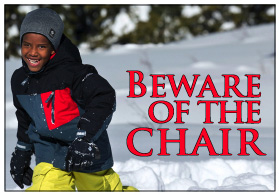
This month's article features a parent's frustration with a lack of physical activity in her rambunctious son's classroom.
Is it necessary for kids to sit still in order to learn?
To read this article CLICK HERE

Higher levels of fitness can bolster a child's ability to learn and remember information.
Given that physical activity helps power the brain, what can a parent or teacher do?
This month's newsletter promotes healthy living with the 5-2-1-0 rule.
To read this article CLICK HERE

What does a recent 5-year study have to say about the effectiveness of mentoring?
What might a new version of healthy masculinities for the 21st century look like?
What is your own role-big or small-in guiding boys toward healthy manhood?
To read this article CLICK HERE

As boys seem to willfully look away when we educators and parents are trying to ensure our message is registering, it is all too common for us to feel exasperated.
Why can't he show he is listening by looking into our eyes, or at least into our direction?
This month's newsletter addresses concerns about demanding compliant eye contact and presents new research about eye contact.
To read this article CLICK HERE

Learning to stay calmly focussed and alert while working toward a genuinely worthwhile but distant goal is a life skill that we all need.
Would your son take the marshmallow?
To read this article CLICK HERE

How can we help highly energetic and competitive boys to regulate their emotions during recess periods?
Reacting after aggression erupts just doesn't make sense.
We need to help boys understand how to manage their emotional responses before, not after, they get into trouble.
To read this article CLICK HERE

As you ease into a gentler summer pace and seek opportunities to connect with your son, consider the following twelve tips about raising boys.
Whether you are confused, mystified, or awed by the front row seat you have watching your son’s emerging development, these practical suggestions will help strengthen your loving responses to your boy’s changing needs.
To read this article CLICK HERE

What if the lines between academic schooling and video gaming were blurred?
What if, instead of seeing school the way we’ve known it, we saw it for what many boys might dream it could be—a challenging and engaging video game?
Would boys read more?
Would their motivation and grades improve?
To read this article CLICK HERE

Today, children as early as 10 years old are utilizing social media platforms such as Facebook, Twitter, Instagram, and Ask.fm, with little or no guidance from an adult. While the Internet has the potential to increase a child’s social interaction and enhance collaborative learning experiences, it can also lure youth into real dangers.
What can caring adults do to help boys develop more social and ethical online awareness and responsibility?
Take the Stand UP Against Cyberbully Quiz and learn 16 ways to help your son develop his social media smarts.
To read this article CLICK HERE

How do we respond to boys who get stuck in powerful worry cycles that keep them away from school?
This month’s newsletter explores some of the causes of anxiety, ways that it manifests, and ways that we can work with it.
To read this article CLICK HERE.

Is modern education setting boys up to fail?
Liza Finlay, who speaks to moms’ groups about marriage, motherhood, and corralling her own two young sons, explores the plight of boys’ education and whether boys are failing school or schools are failing boys.
To read this article CLICK HERE.

How can teachers help reluctant writers appreciate the challenge of the entire process of writing—from discovering their subject to writing a draft—and revising, fine tuning that draft to make it more clear and interesting for a reader?
To read this article CLICK HERE.

To help boys develop their full potential we need to respect and affirm the ways they can shine.
What do boys need to develop their love for the literacies?
How can we engage them to write because they WANT to?
To read this article CLICK HERE.

When parents see their sons falling behind at school, how can they encourage without taking over?
How does a parent manage the hazy line between doing too much and too little for their son?
This newsletter also offers 23 smart study skills for parents and boys to discuss together.
To read this article CLICK HERE.

Does excessive pampering encourage entitlement while also inhibiting maturity?
This month's newsletter offers suggestions to cultivate self-reliance in boys so they will learn the necessary skills they need to manage their own lives and to eventually become contributing members of society.
To read this article CLICK HERE.

Many concerned parents wrestle with the question: what is the best school for their child?
May's newsletter features four BC schools that demonstrate unique and diverse pathways to success.
To read this article CLICK HERE.

While temperament may predispose boys towards certain emotional reactivity, these boys can still develop healthy emotion regulation strategies through their interactions with caregivers.
How can we help boys to better manage and regulate their emotions at home?
To read this article CLICK HERE.

To regulate emotions means to manage impulses, tolerate frustrations, and to focus or shift attention—to stay calmly focussed and alert while taking action.
How can teachers help boys become calmer and less reactive at school?
To read this article CLICK HERE

To read this article CLICK HERE

New research highlights how a good relationship with a teacher can protect vulnerable children from being aggressive.
To read this article CLICK HERE

Barry MacDonald, Diane Wood, and Serge-Edouard Jeanniton celebrate that 400 teachers in Quebec have been taken time from their busy schedules to learn about the varied needs of boys in their schools.
The entire staff of Harold Napper Elementary from Brossard, QC attended!

Congratulations to the Bankhead PAC
who organized the LARGEST Kelowna parent PAC event ever!
Thank you to Joy Godel, Laurie Campbell, Diane Oorebeek, and Joel Oorebeek for their dedication and leadership.
Sherry foster is another key contributor who is not included in this photo.

How can parents sustain optimism and practicality when boys are striking out?
This heartfelt story from a mother in Ottawa will encourage you to work on building rapport with your son's teachers as you advocate for his educational needs.
To read this article CLICK HERE.

"Barry MacDonald had us laughing out loud while also challenging us to re-think how we parent boys - a master teacher!"
Denise Kitagawa
on behalf of the School Council
Calgary Science School
To read the article CLICK HERE
"Often, I have the opportunity to interview a boy who has successfully overcome a learning barrier or life hurdle—and sometimes I have the chance to talk to his parent or teacher as well.
To read this article CLICK HERE

Undiagnosed learning difficulties are one of the most underestimated causes of failure in both school and life.
This month's newsletter interviews Karen Elkins, who speaks up on behalf of frustrated parents, and says: "Once people view a child in a particular light, the label can stick like glue. My worry is that children become objectified and their individuality melts away."
Karen gently challenges limiting views while also respects the prevailing professional wisdom.
To read this article CLICK HERE
The September Boy Smarts Newsletter received attention from journalists at The Vancouver Sun, who responded with a front page article about increased ADHD diagnoses among younger children in the classroom.
Click here to read the article
Click here to read the Vancouver Sun article
Read education reporter Janet Steffenhagen's comments

DO 5 year old girls have more impulse control, more verbal fluency, and greater ability to sit still than boys at a similar age?
ARE boys more active, less focused, less mature, and therefore less prepared to start school?
PARENTS wonder if the differences they observe between boys and girls
are inborn, or are they learned from subtle and not–so–subtle social
and environmental cues?
PARENTS also wonder if they should delay Kindergarten for their slower-
to-develop boys.
CHAPTER 9 in BOYS ON TARGET draws on the wisdom of three experienced Kindergarten teachers to help parents make the best decision, one that will start their boys on the road to achievement, success, and lifelong learning.
Click here to buy the book

Reframing Attitudes Toward Active Learners

While it's natural for teachers to want students to be focused and attentive at all times, a student who is fidgeting, twisting a tiny rubber elastic figure in his hands, shuffling books noisily, or even gazing absently out the window, has much to teach. Such students are giving cues that something else is needed.
How can we move from judgment and irritation to a more compassionate and helpful way of viewing these students?
December’s newsletter offers 20 reframing transformations of thought to help you maintain a focus on strengths and foster positive responses to the everyday challenges of parenting and teaching kids.
Click here to read more



|